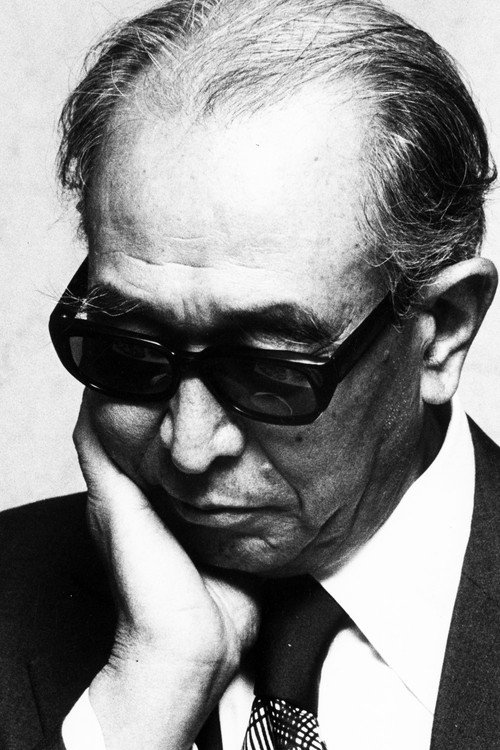
Cast
Akira Kurosawa
Directing
Cast
Akira Kurosawa
Known for
Directing
Born
1910-03-23
From
Shinagawa, Tokyo Prefecture, Japan
Died
1998-09-06
Also known as أكيرا كوروساوا, อะกิระ คุโระซะวะ, 黑澤明
Biography
Akira Kurosawa (黒澤 明) was a Japanese filmmaker and painter who directed thirty films in a career spanning over five decades. He is widely regarded as one of the greatest and most influential filmmakers in the history of cinema. He displayed a bold, dynamic style, strongly influenced by Western cinema yet distinct from it; he was involved with all aspects of film production. Kurosawa entered the Japanese film industry in 1936, following a brief stint as a painter. After years of working on numerous films as an assistant director and scriptwriter, he made his debut as a director during World War II with the popular action film Sanshiro Sugata (1943). After the war, the critically acclaimed Drunken Angel (1948), in which Kurosawa cast the then little-known actor Toshiro Mifune in a starring role, cemented the director's reputation as one of the most important young filmmakers in Japan. The two men would go on to collaborate on another fifteen films. Rashomon (1950), which premiered in Tokyo, became the surprise winner of the Golden Lion at the 1951 Venice Film Festival. The commercial and critical success of that film opened up Western film markets for the first time to the products of the Japanese film industry, which in turn led to international recognition for other Japanese filmmakers. Kurosawa directed approximately one film per year throughout the 1950s and early 1960s, including a number of highly regarded (and often adapted) films, such as Ikiru (1952), Seven Samurai (1954), Throne of Blood (1957), Yojimbo (1961) and High and Low (1963). After the 1960s he became much less prolific; even so, his later work—including two of his final films, Kagemusha (1980) and Ran (1985)—continued to receive great acclaim. In 1990, he accepted the Academy Award for Lifetime Achievement. Posthumously, he was named Asian of the Century in the Arts, Literature, and Culture category by AsianWeek magazine and CNN, cited there as being among the five people who most prominently contributed to the improvement of Asia in the 20th century. His career has been honored by many retrospectives, critical studies and biographies in both print and video, and by releases in many consumer media.
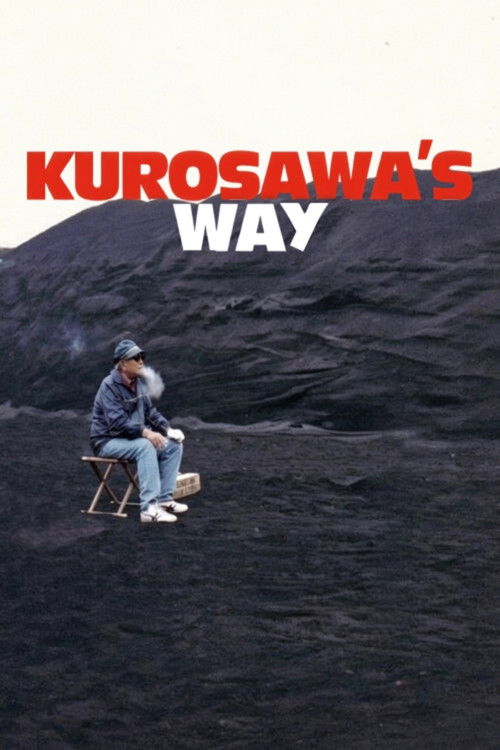
★5.8
MOVIE2011
Kurosawa's Way
as Self (archive footage)

★2.0
MOVIE2021
Morceaux de Cannes
★7.0
MOVIE2000
Kurosawa
as Self
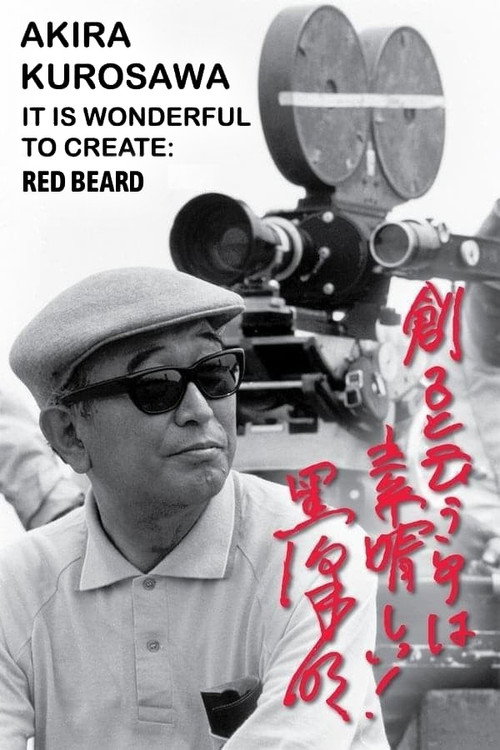
MOVIE2002
Akira Kurosawa: It Is Wonderful to Create: 'Red Beard'
as Self
★7.7
MOVIE1993
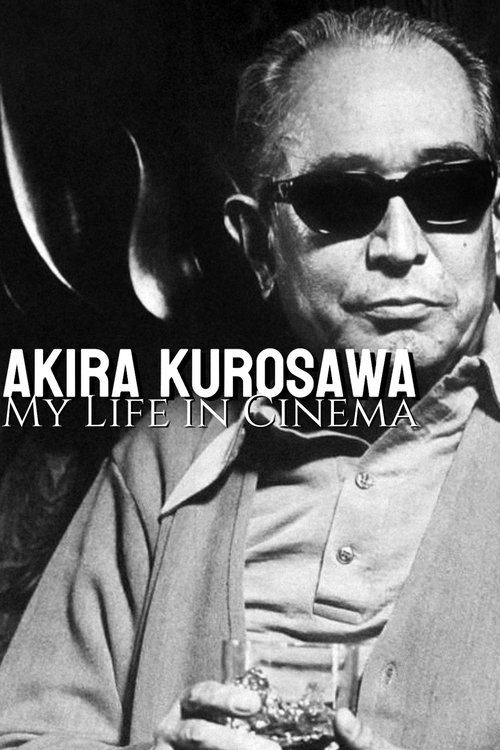
Akira Kurosawa: My Life in Cinema
as Self
★7.0
MOVIE2000
A Message from Akira Kurosawa: For Beautiful Movies
as Self
★10.0
MOVIE1993
In Love With and Living Within Movies - Akira Kurosawa and Hayao Miyazaki
as Self
MOVIE1985
Making of Ran
as Self

★6.5
MOVIE2013
What Is Cinema?
as Self
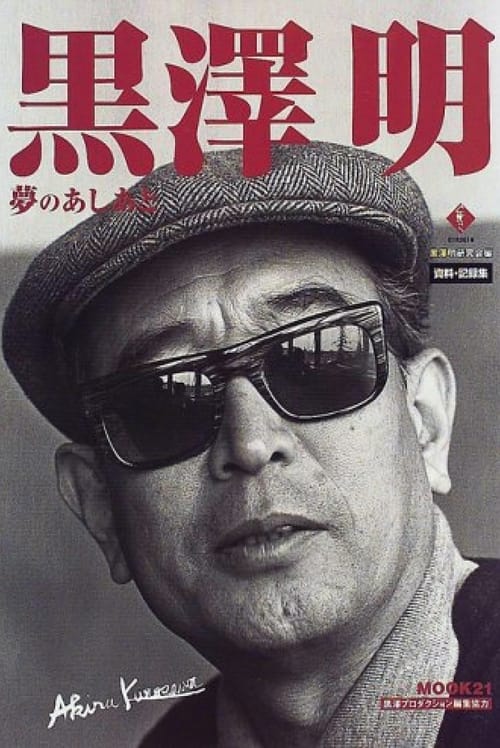
★6.2
MOVIE1999
Kurosawa: The Last Emperor

★8.0
MOVIE1990
Making of 'Dreams'
as Self

★6.3
MOVIE1985
A. K.
as Self

MOVIE2012
The World of Kazuo Miyagawa
as Self
★7.1
MOVIE2020
Babenco: Tell Me When I Die
as Self (archive footage)

MOVIE2025
Searching For Kurosawa

★8.0
MOVIE2002
Akira Kurosawa: It Is Wonderful to Create: 'The Hidden Fortress'
as Self
MOVIE2002
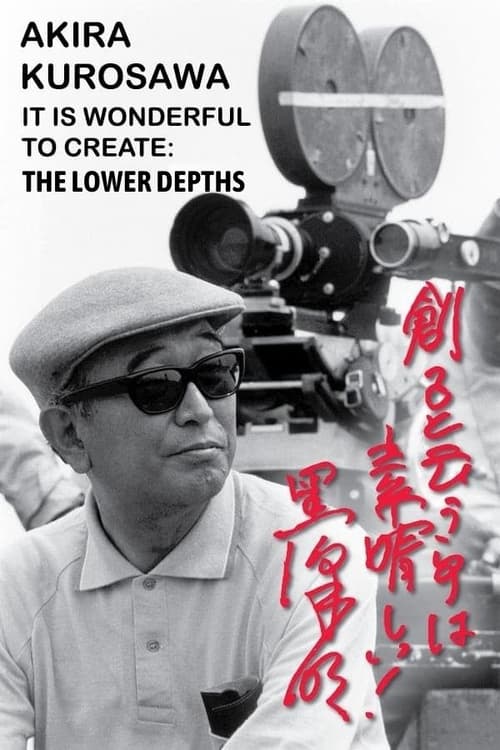
Akira Kurosawa: It Is Wonderful to Create: 'The Lower Depths'
as Self
MOVIE2002
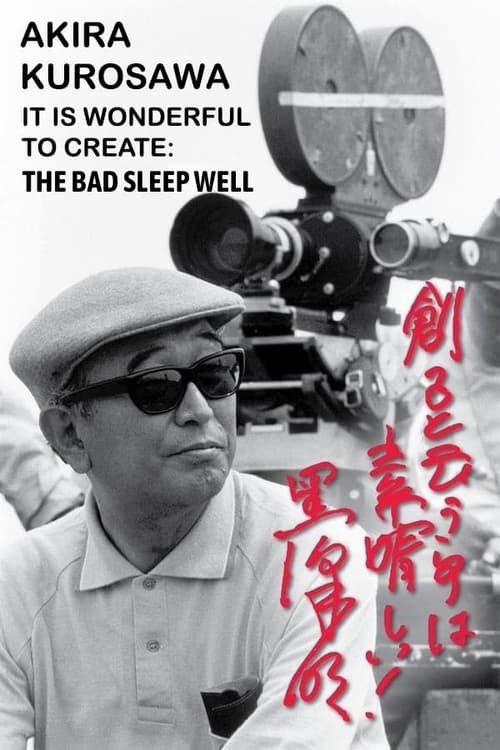
Akira Kurosawa: It Is Wonderful to Create: 'The Bad Sleep Well'
as Self
★7.0
MOVIE2002
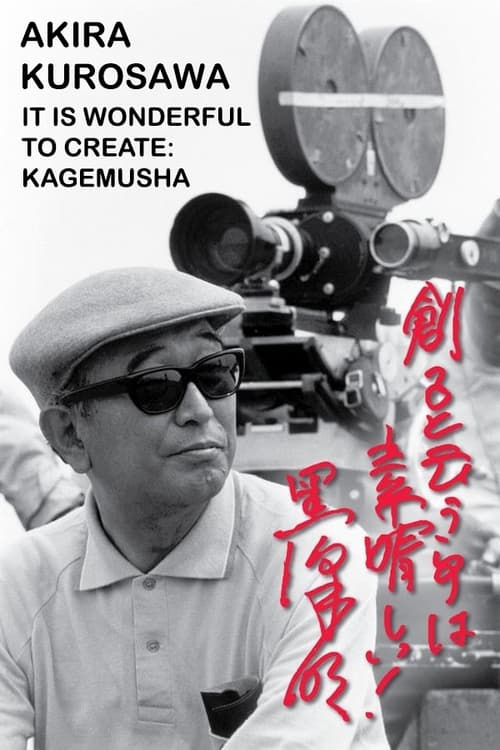
Akira Kurosawa: It Is Wonderful to Create: 'Kagemusha'
as Self
MOVIE2002
Akira Kurosawa: It Is Wonderful to Create: 'Dodes'ka-den'
as Self
MOVIE2002
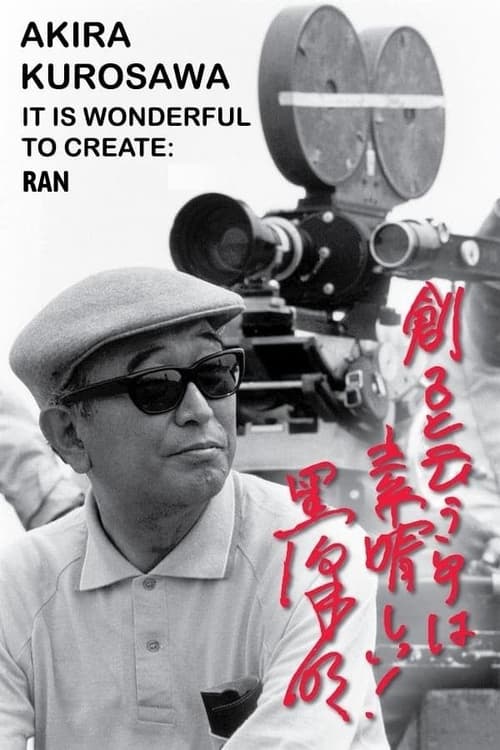
Akira Kurosawa: It Is Wonderful to Create: 'Ran'
as Self

MOVIE2002
Akira Kurosawa: It Is Wonderful to Create: 'Throne of Blood'
as Self
MOVIE2002
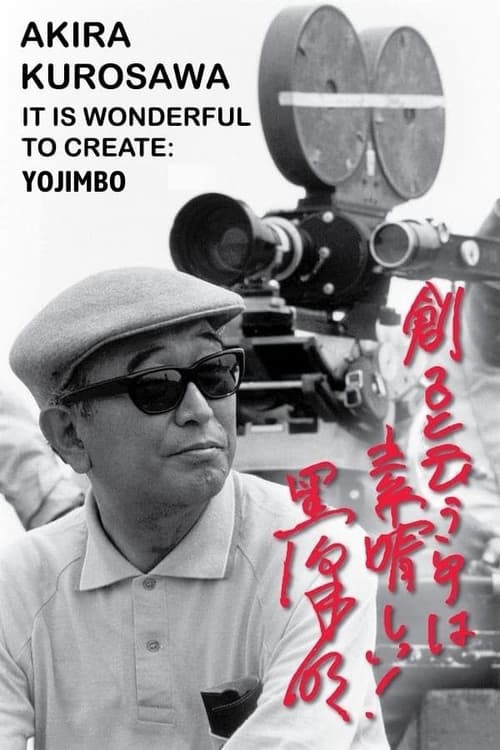
Akira Kurosawa: It Is Wonderful to Create: 'Yojimbo'
as Self
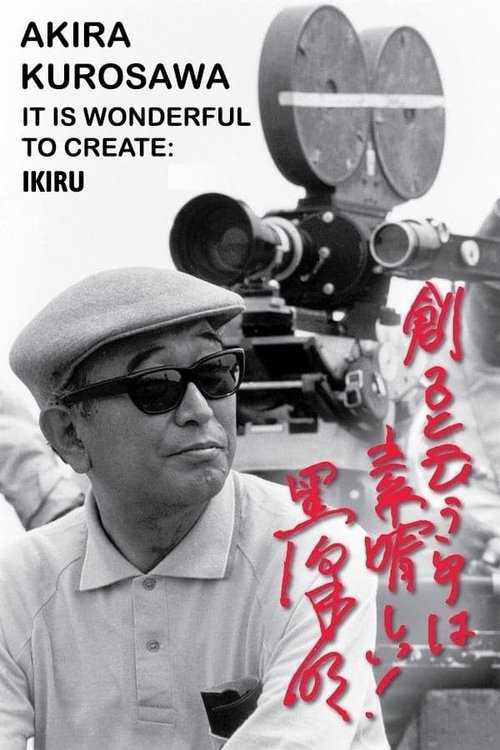
MOVIE2002
Akira Kurosawa: It Is Wonderful to Create: 'Ikiru'
as Self
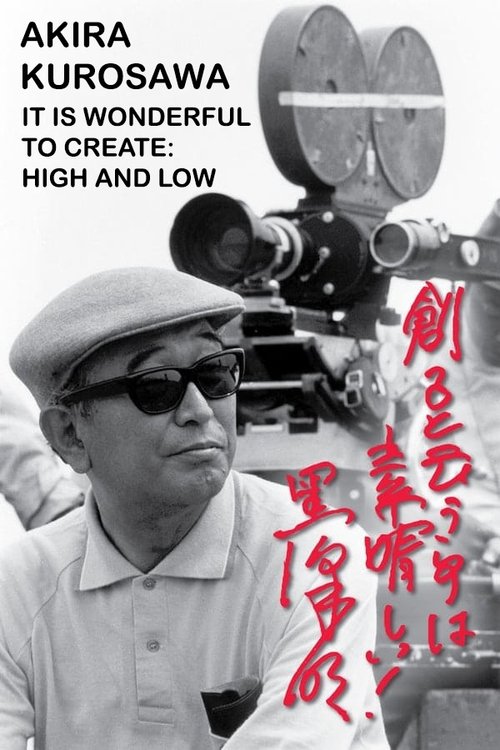
MOVIE2002
Akira Kurosawa: It Is Wonderful to Create: 'High and Low'
as Self
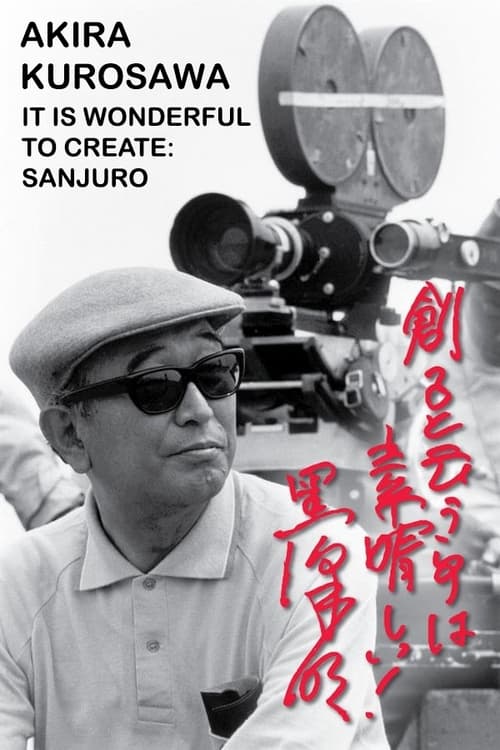
MOVIE2002
Akira Kurosawa: It Is Wonderful to Create: 'Sanjuro'
as Self
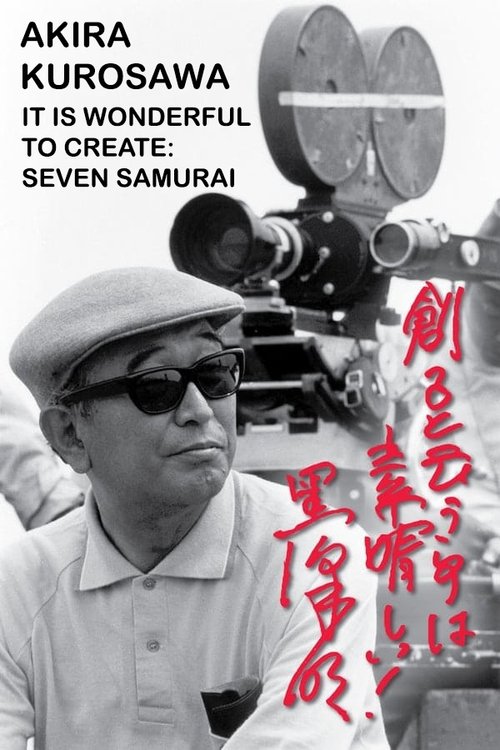
★10.0
MOVIE2002
Akira Kurosawa: It Is Wonderful to Create: 'Seven Samurai'
as Self
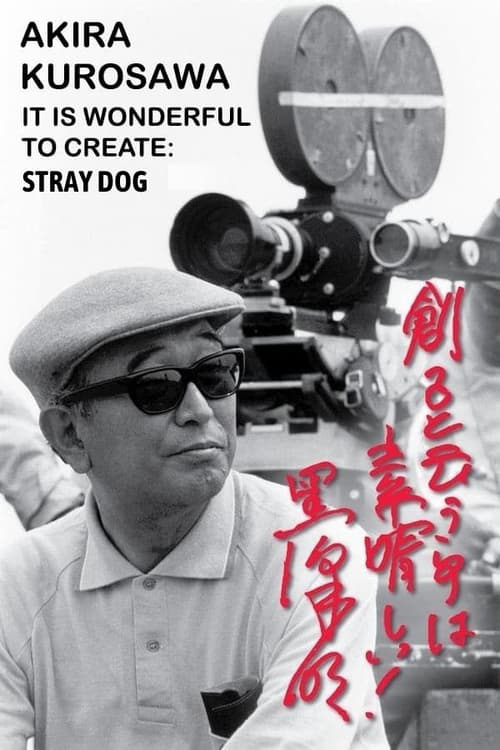
MOVIE2002
Akira Kurosawa: It Is Wonderful to Create: 'Stray Dog'
as Self
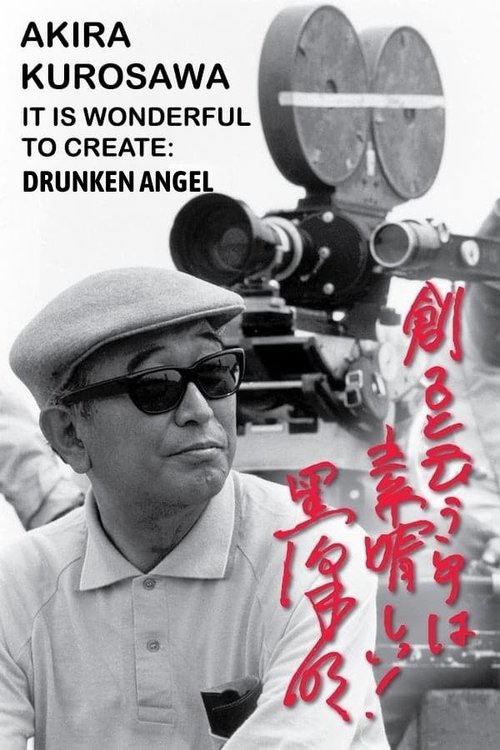
MOVIE2002
Akira Kurosawa: It Is Wonderful to Create: 'Drunken Angel'
as Self