Cast
Zucchero
Acting
Cast
Zucchero
Known for
Acting
Born
1955-09-25
From
Roncocesi, Reggio Emilia, Emilia-Romagna, Italy
Also known as Zucchero Fornaciari, Zucchero "Sugar" Fornaciari, Adelmo Fornaciari
Biography
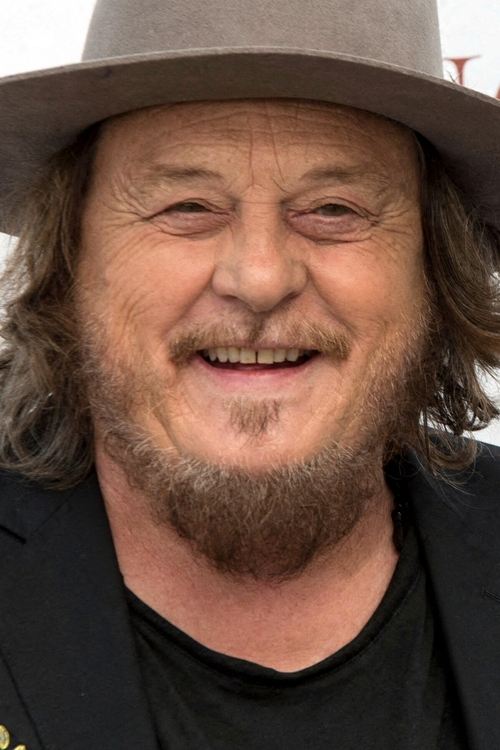
Adelmo Fornaciari (born 25 September 1955), known professionally as Zucchero Fornaciari or simply Zucchero, is an Italian singer, musician and songwriter. His stage name is the Italian word for "sugar", as his primary school teacher used to call him. His music is largely inspired by gospel, soul, blues and rock music, and alternates between Italian ballads and more rhythmic R&B-boogie-like pieces. He is credited as the "father of Italian blues", introducing blues to the big stage in Italy. He is one of the few European blues artists who still enjoys great international success. In his career, spanning four decades, Fornaciari has sold over 60 million records around the world, and internationally his most successful singles are "Diamante", "Il Volo/My Love", "Baila (Sexy Thing)/Baila morena", and the duet "Senza una donna (Without a Woman)" with Paul Young. He has won numerous awards, including four Festivalbar, nine Wind Music Awards, two World Music Awards (1993, 1996), six IFPI Europe Platinum Awards, and a Grammy Award nomination. He has collaborated and performed with many famous artists, including Eric Clapton, Jeff Beck, Stevie Ray Vaughan, Brian May, Miles Davis, Ray Charles, Billy Preston, John Lee Hooker, Scorpions, Sheryl Crow, Blues Brothers Band, Elvis Costello, Roland Orzabal, Joe Cocker, Sharon Corr, B. B. King, Sting, Buddy Guy, Bono, Bryan Adams, Mark Knopfler, Iggy Pop, Coldplay, Dolores O'Riordan, Paul Young, Peter Gabriel, Alejandro Sanz, Luciano Pavarotti, and Andrea Bocelli. Adelmo Fornaciari was born 25 September 1955 in Roncocesi, a frazione (small village) near Reggio Emilia. His father, Giuseppe Fornaciari, and mother, Rina Bondavalli, came from rural families. At a young age, he was the goalkeeper of A.C. Reggiana 1919. He spent much of his childhood in the seaside town of Forte dei Marmi (Province of Lucca, Tuscany). There, he sang in the choir and played an organ in the local church. At the age of 12 or 13, he discovered American soul and blues music thanks to an African-American friend who was studying in Bologna and lived near his home. The first song he played to Fornaciari was "(Sittin' On) The Dock of the Bay" by Otis Redding, and this immediately inspired his interest in soul music. The friend taught Fornaciari how to play on the guitar songs by Redding, Marvin Gaye, and Sam & Dave. Fornaciari then got together with friends to play rhythm and blues, finding his own way to fuse black music and Mediterranean music. He started writing his own songs when he was 13 or 14 years old, and after learning basic instruments, from 16 he moved on to learning the tenor saxophone. In Forte dei Marmi, he finished his technical high school studies, and moved again, this time to the city of Carrara. ... Source: Article "Zucchero Fornaciari" from Wikipedia in English, licensed under CC-BY-SA.
★8.3
MOVIE2022
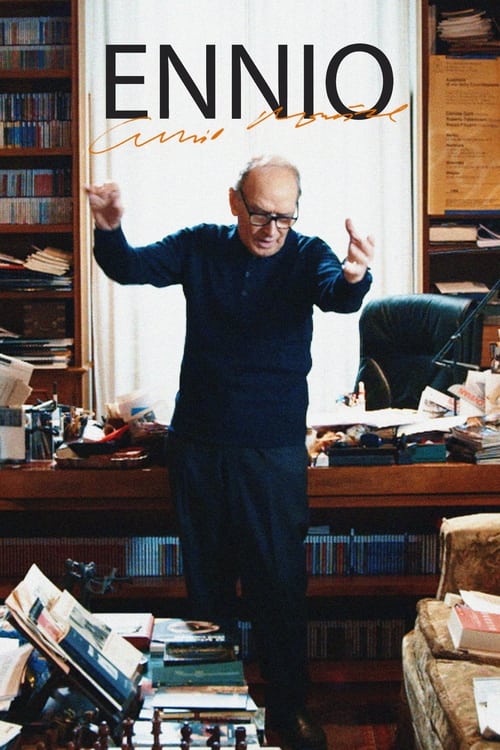
Ennio
as Self

★10.0
MOVIE1998
Andrea Bocelli - Une nuit en Toscane
as Self

★9.7
MOVIE2025
Andrea Bocelli - The Celebration:30th Anniversary

★7.1
MOVIE2020
One World: Together at Home
as Self

★7.4
MOVIE2025
Pino
as Self

★5.8
MOVIE2024
Andrea Bocelli 30: The Celebration
as Self
★7.8
MOVIE1992
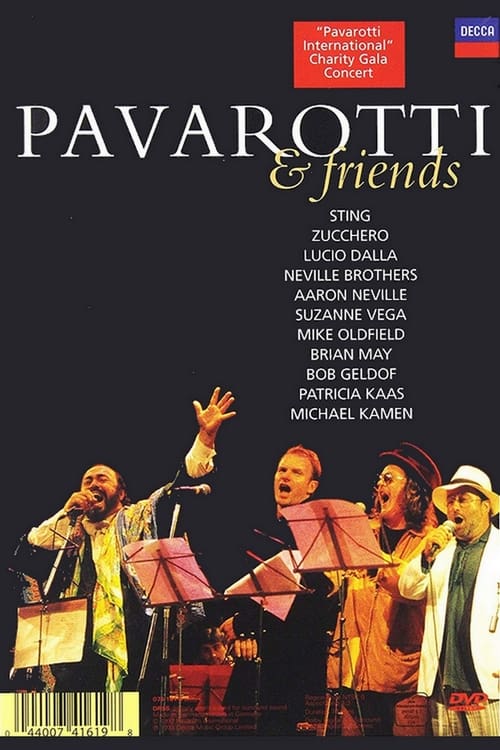
Pavarotti & Friends
as Self
MOVIE2023
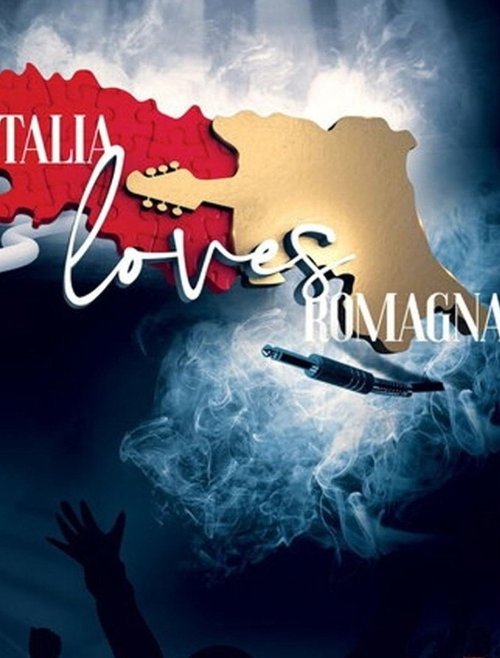
Italia Loves Romagna - Vari artisti
as Self - Cantante
★8.4
MOVIE1992
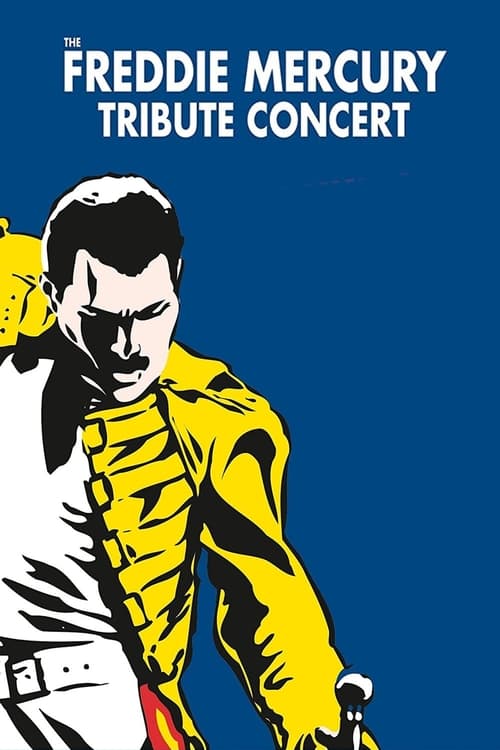
The Freddie Mercury Tribute Concert
as Self

★9.0
MOVIE2025
Andrea Bocelli: Because I Believe
as Self
★6.4
MOVIE2004
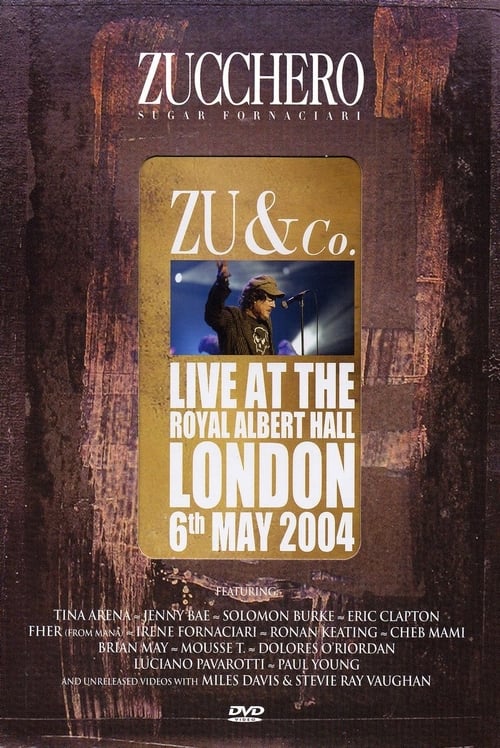
Zucchero | Zu and co.: Live at Royal Albert Hall
as Self

MOVIE1995
Pavarotti & Friends 3 - Together for the Children of Bosnia
as Self
★10.0
MOVIE1996
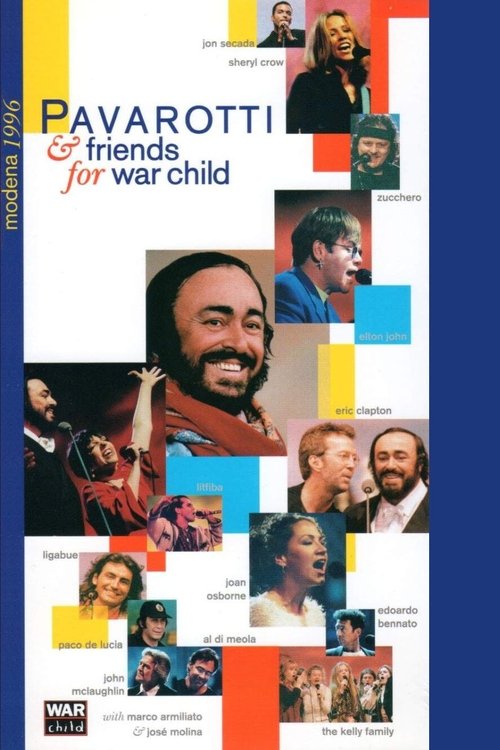
Pavarotti & Friends 4 - For War Child
as Self
★7.0
MOVIE2025
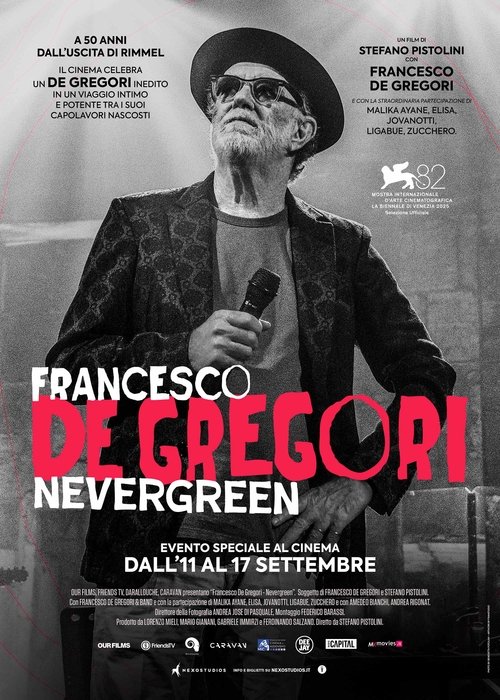
Francesco de Gregori - Nevergreen
as Self
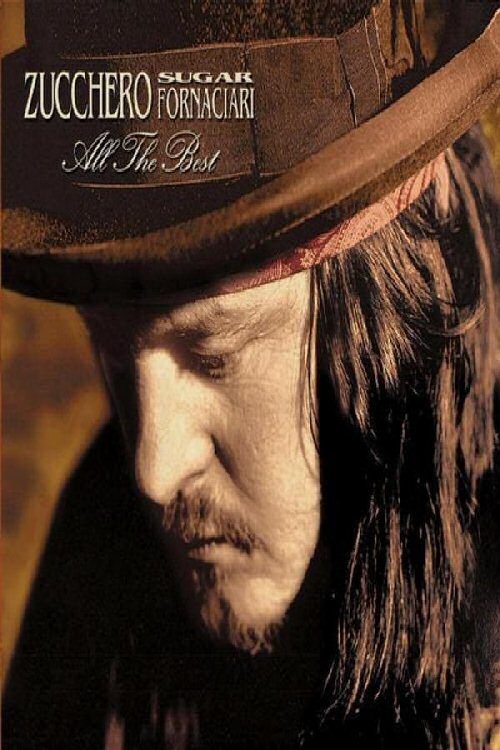
MOVIETBA
Zucchero - All the Best
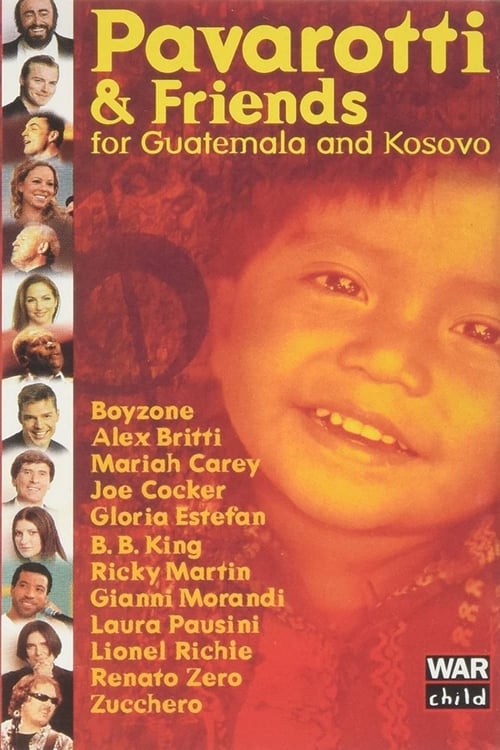
★8.0
MOVIE1999
Pavarotti & Friends 99 for Guatemala and Kosovo
as Self
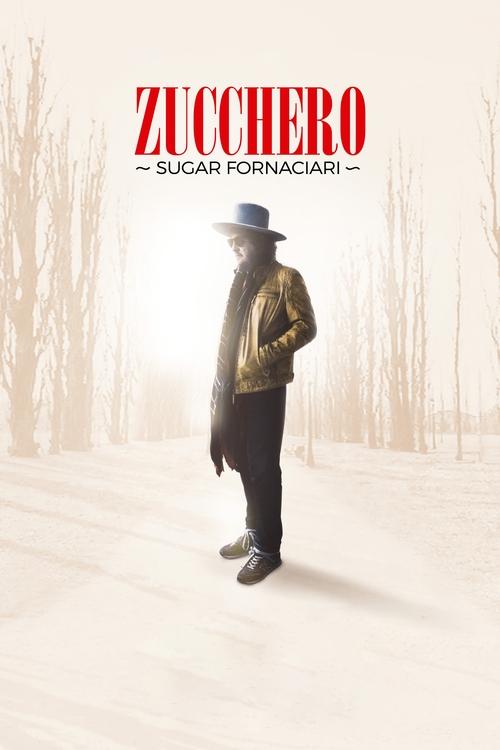
★7.6
MOVIE2023
Zucchero | Sugar Fornaciari
as Self
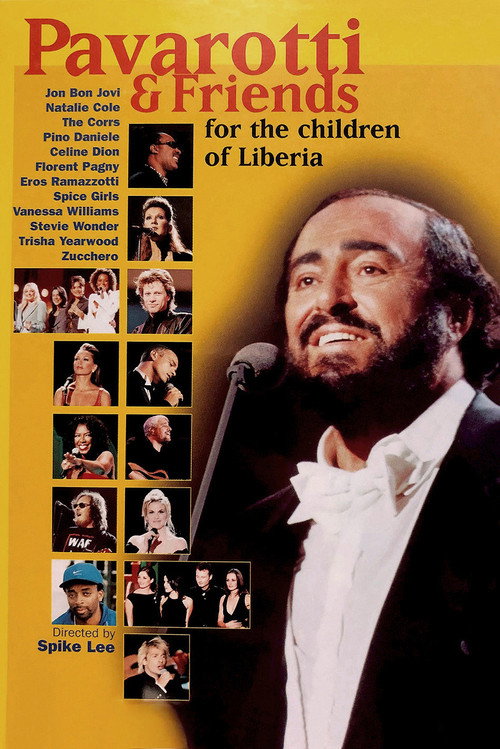
MOVIE1998
Pavarotti & Friends - For the Children of Liberia
as Self
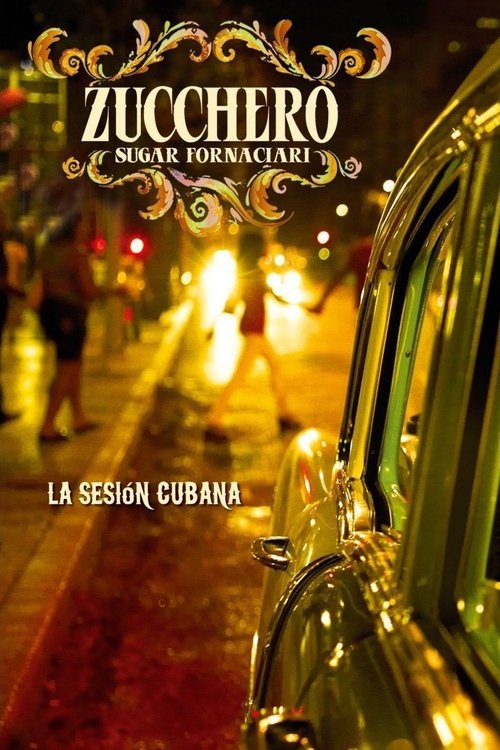
MOVIE2013
Zucchero - La Sesion Cubana
as Self
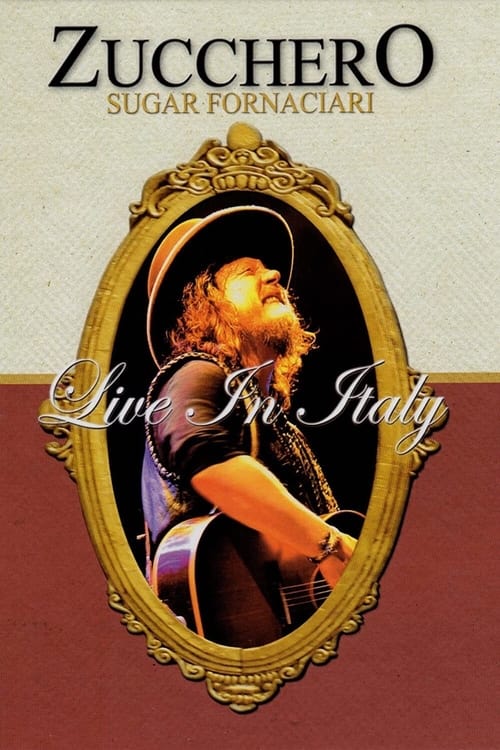
★8.0
MOVIE2007
Zucchero - Live in Italy
as Self - Voce, chitarra acustica, chitarra elettrica, pianoforte
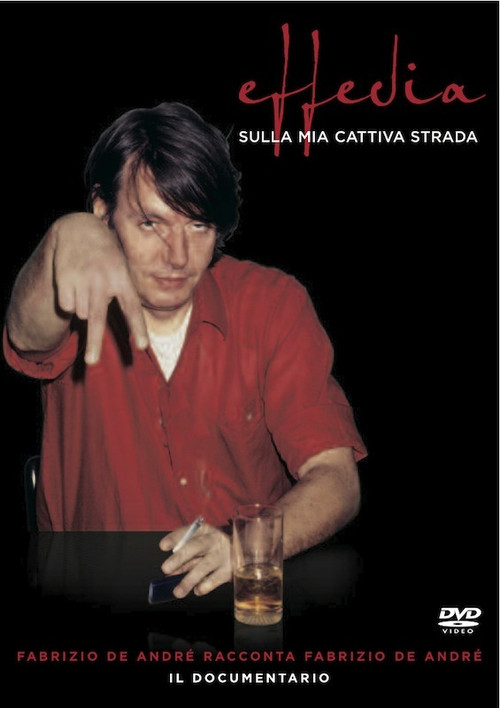
★6.0
MOVIE2008
Effedia - Sulla mia cattiva strada
as Self
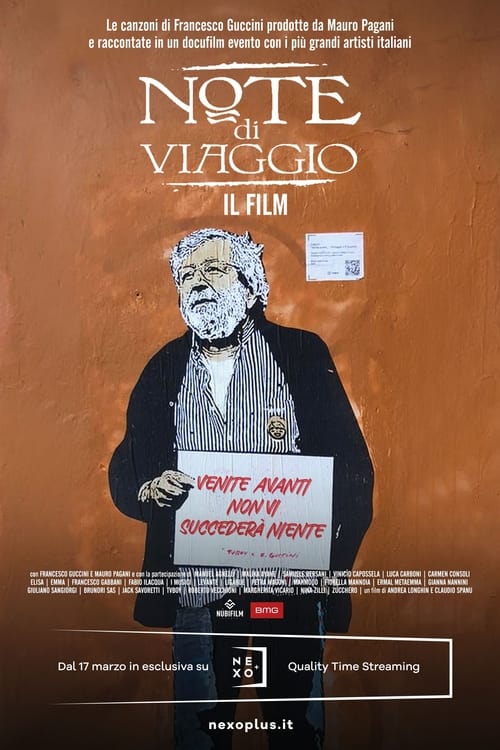
★9.5
MOVIE2021
Note di viaggio: Il film
as Self
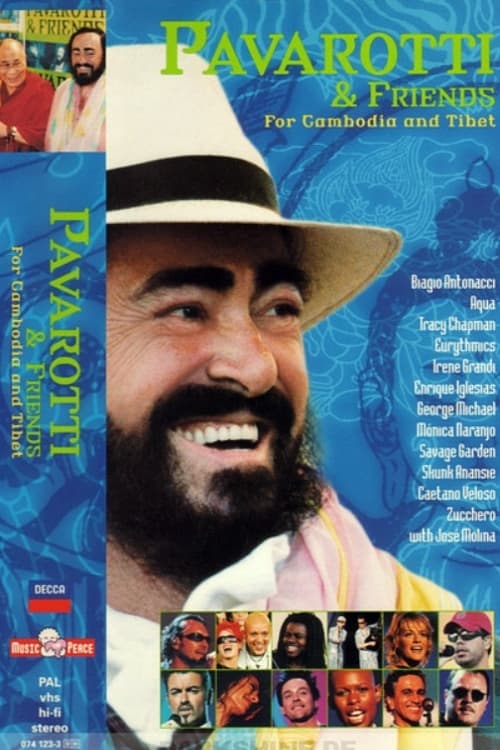
★10.0
MOVIE2000
Pavarotti & Friends 7 - For Cambodia and Tibet
as Self
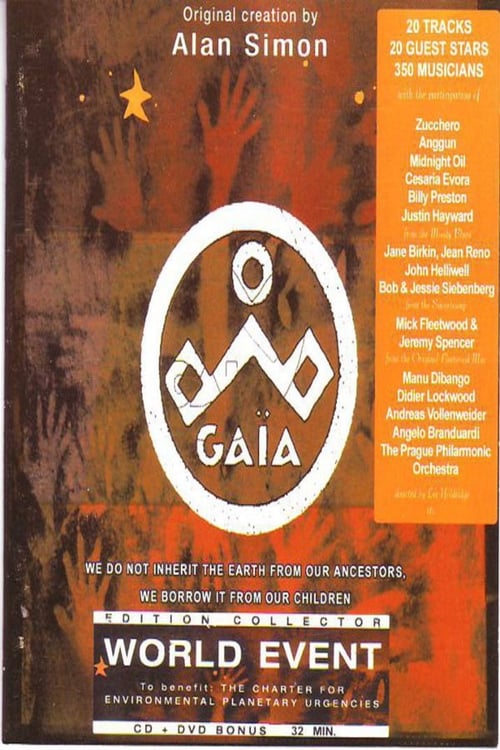
MOVIE2003
Alan Simon – Gaia
as Self